When AI Goes Wrong Understanding Risks and Proactive Steps to Redirect Its Path
- aiurea332
- Dec 28, 2025
- 4 min read

Artificial intelligence (AI) is transforming many aspects of our lives, from healthcare to transportation. Yet, as AI systems grow more powerful and widespread, the risks of things going wrong also increase. AI failures can cause serious harm, from biased decisions to safety hazards. Understanding how AI can go wrong and taking clear, practical steps to guide its development is essential to avoid negative outcomes.
This post explores common ways AI can fail, real-world examples of those failures, and actionable strategies to steer AI toward safer, fairer, and more reliable use.
How AI Can Go Wrong
AI systems are complex and depend on data, algorithms, and human design choices. Problems arise when any of these elements are flawed or misused.
Bias and Discrimination
AI learns from data, and if that data reflects existing social biases, the AI will reproduce or even amplify them. For example, facial recognition systems have shown higher error rates for people with darker skin tones. This can lead to unfair treatment in law enforcement or hiring decisions.
Lack of Transparency
Many AI models, especially deep learning systems, operate as "black boxes." Their decision-making process is difficult to understand or explain. This lack of transparency makes it hard to detect errors or hold systems accountable.
Safety and Reliability Issues
AI systems controlling physical devices, like self-driving cars or industrial robots, can cause accidents if they misinterpret data or fail to respond correctly to unexpected situations. Even small errors can have serious consequences.
Privacy Violations
AI often requires large amounts of personal data. Without proper safeguards, this data can be misused or leaked, violating individuals’ privacy rights.
Overreliance and Automation Bias
People may trust AI systems too much, assuming their outputs are always correct. This can lead to poor decisions when the AI is wrong or incomplete.
Real-World Examples of AI Failures
Examining actual cases helps highlight the risks and the need for caution.
COMPAS Recidivism Algorithm: Used in the US criminal justice system to predict the likelihood of reoffending, this AI was found to be biased against Black defendants, leading to unfair sentencing.
Tesla Autopilot Crashes: Several accidents occurred when Tesla’s semi-autonomous driving system failed to detect obstacles or misread road conditions, showing the limits of current AI safety.
Amazon Recruitment Tool: Amazon developed an AI recruiting system that favored male candidates because it was trained on past hiring data dominated by men. The project was abandoned after the bias was discovered.
Google Photos Mislabeling: In 2015, Google Photos mistakenly tagged photos of Black people as gorillas, revealing flaws in image recognition and the need for better training data and testing.
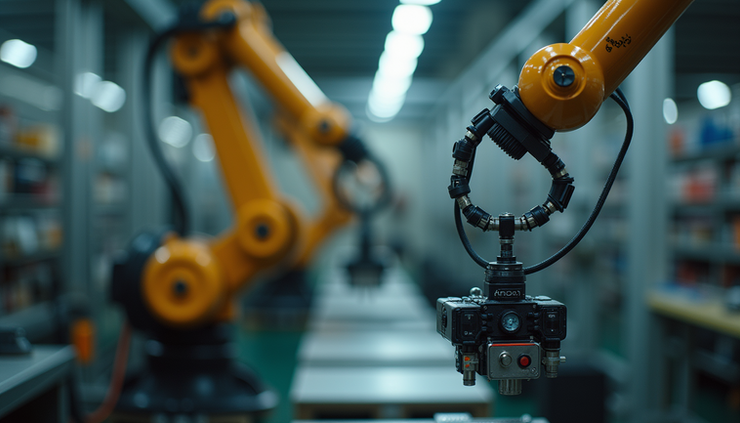
Steps to Temper AI Risks and Redirect Its Path
Addressing AI risks requires a combination of technical, organizational, and regulatory actions. Here are practical steps to guide AI development responsibly.
1. Improve Data Quality and Diversity
Use diverse datasets that represent all relevant groups fairly.
Regularly audit data for bias and correct imbalances.
Include domain experts and affected communities in data collection and review.
2. Increase Transparency and Explainability
Develop AI models that provide clear reasons for their decisions.
Use tools that visualize how AI reaches conclusions.
Make AI systems auditable by independent parties.
3. Implement Robust Testing and Validation
Test AI systems extensively in real-world scenarios before deployment.
Use simulation environments to identify potential failures.
Continuously monitor AI performance after deployment and update models as needed.
4. Establish Clear Accountability
Define who is responsible for AI decisions and outcomes.
Create mechanisms for users to report problems and seek redress.
Ensure organizations have governance structures overseeing AI ethics and safety.
5. Protect Privacy and Data Security
Minimize data collection to what is strictly necessary.
Use encryption and secure storage methods.
Comply with privacy laws and respect user consent.
6. Educate Users and Stakeholders
Train users to understand AI limitations and avoid overreliance.
Promote awareness of AI risks among developers, policymakers, and the public.
Encourage interdisciplinary collaboration to address ethical and social issues.
The Role of Regulation and Standards
Governments and international bodies are increasingly focused on AI regulation to prevent harm. Clear rules can set minimum safety and fairness standards, require transparency, and protect privacy.
Examples include the European Union’s AI Act, which proposes risk-based requirements for AI systems, and guidelines from organizations like the IEEE and ISO on ethical AI design.
Regulation should balance innovation with protection, encouraging responsible AI development without stifling progress.
Building a Culture of Responsible AI
Beyond rules and technical fixes, organizations must foster a culture that values ethical AI. This means:
Prioritizing human well-being over profits or efficiency.
Encouraging open discussion of AI risks and failures.
Supporting diversity in AI teams to bring varied perspectives.
Committing to ongoing learning and improvement.
AI has enormous potential to improve lives, but it also carries risks that can cause harm if ignored. By understanding how AI can go wrong and taking clear, practical steps, we can guide its development toward positive outcomes. This requires effort from developers, users, regulators, and society as a whole.
The future of AI depends on our ability to build systems that are fair, transparent, safe, and respectful of privacy. Taking action now will help ensure AI serves everyone well.


Comments